
MECH 3030 Mechanisms of Machinery (Every Fall)
This course aims to introduce the graphical, analytical, and computational approaches in the analysis and design of fundamental mechanisms. Kinematic analysis of mechanisms (e.g., position, velocity, and acceleration analysis of simple planar linkages) and design/synthesis of mechanisms (e.g., four-bar linkages, gear trains, cam, and follower) will be covered in the lectures. The students will also have hands-on experience using a numerical simulation software (e.g., SolidWorks) and MATLAB in the lab session.
- Develop an understanding of various classes of linkages, concepts of mobility and function
- Develop knowledge of basic graphical and analytical methods of linkage synthesis
- Develop a working knowledge of a linkage design and analysis software package
- Develop ability to perform position, velocity, acceleration and force analysis on linkages and machines
- Develop an understanding of the basic balancing techniques of rotating machinery
MECH3510 Computer-Aided Design/Manufacturing (Every Spring)
This is an elective course for the BEng in Mechanical Engineering with Option in Design, covering topics such as curves and surfaces, geometric modeling basics, data structures in CAD/CAM, finite element analysis, optimization, tool path generation. This course will also introduce the fundamental concepts of artificial intelligence and machine learning, specifically focusing on their applications in design and manufacturing. In addition to lectures, intensive labs of ANSYS for finite element analysis and Python programming will be offered.
- To equip the students with fundamental theories and technologies in basic computer graphics, geometric modeling algorithms, curves and surfaces, meshing algorithms, introductory optimization algorithms, and tool path generation algorithms that are the foundation of Today’s CAD/CAM/CAE systems
- To introduce basic and entry level theories and terminology of Finite Element Method
- To introduce basic of artificial intelligence and machine learning and their applications in design
- To provide students an extensive and intensive programming training course of Python with ample in-depth projects
Highlighted Projects
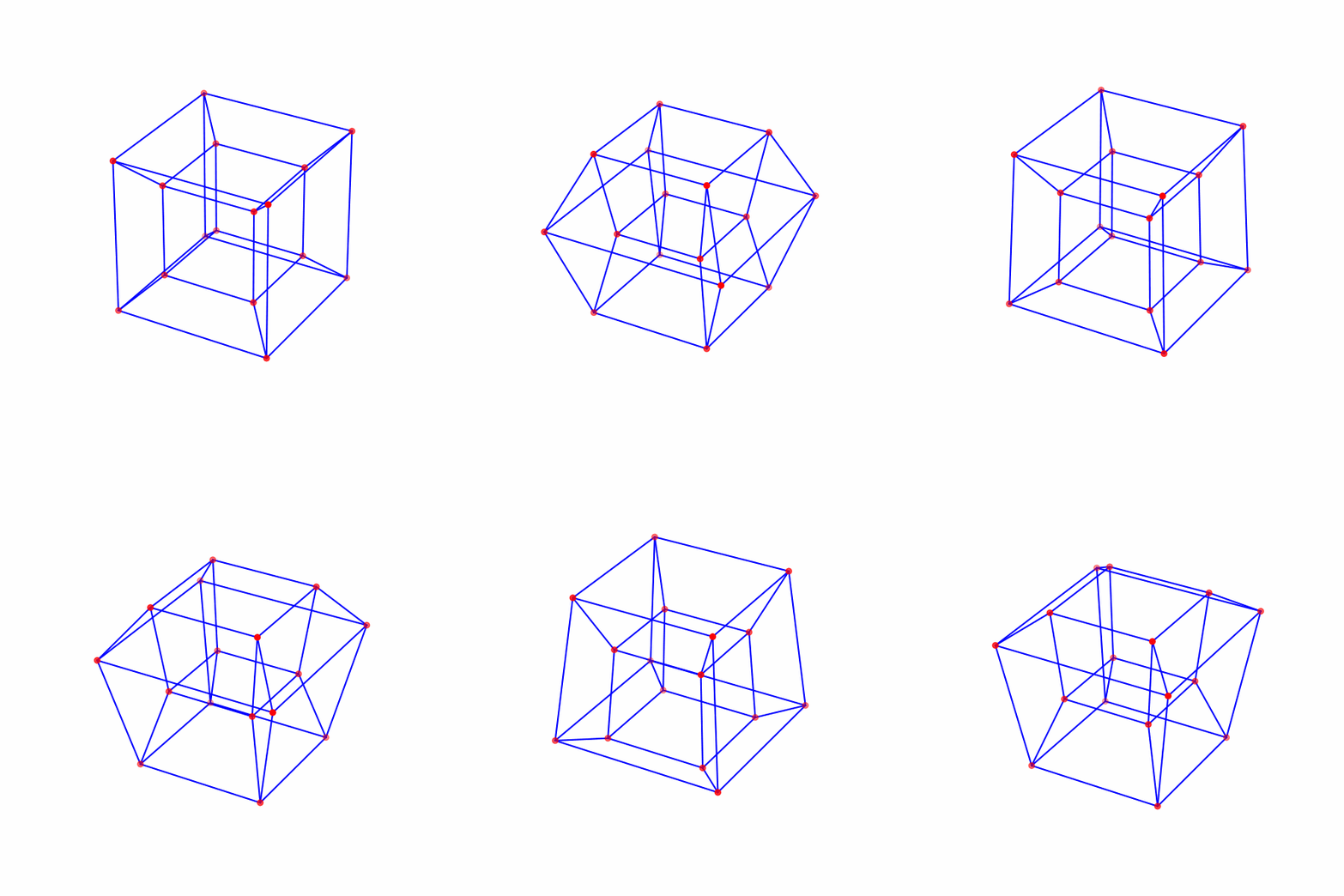
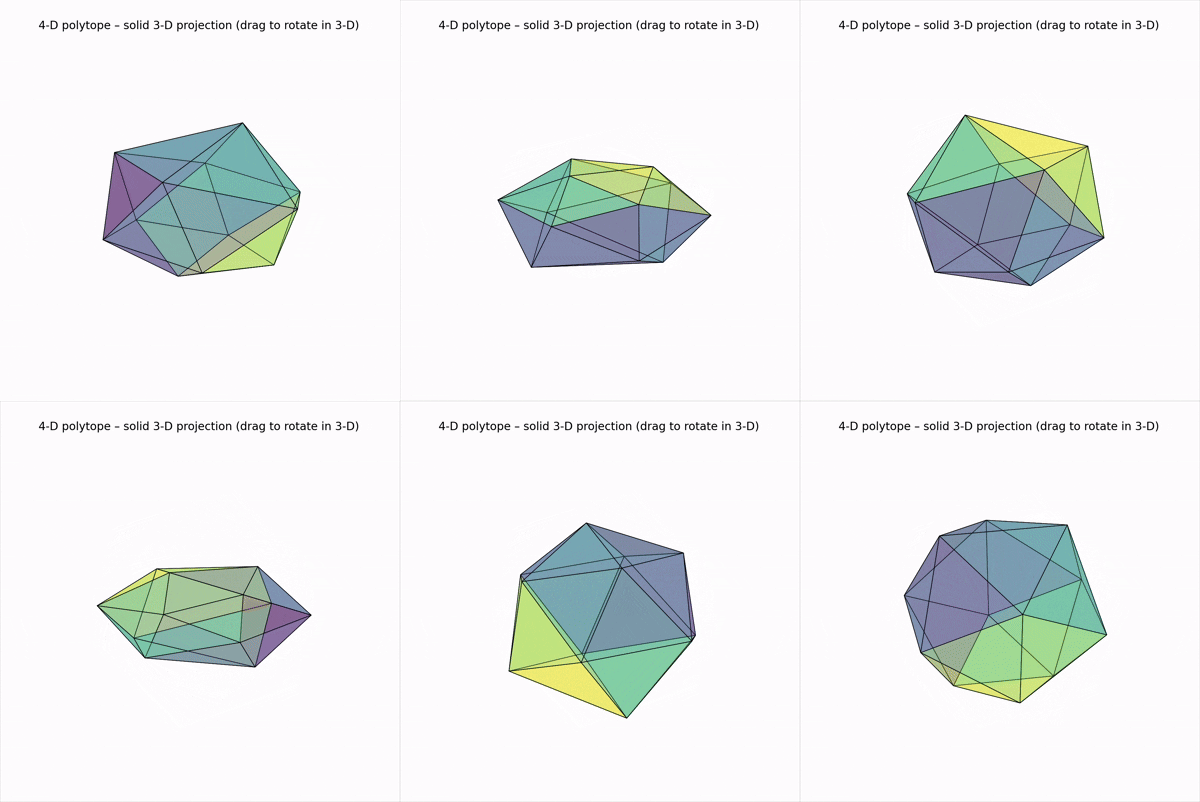
Interpreting and Visualizing 4D Geometries
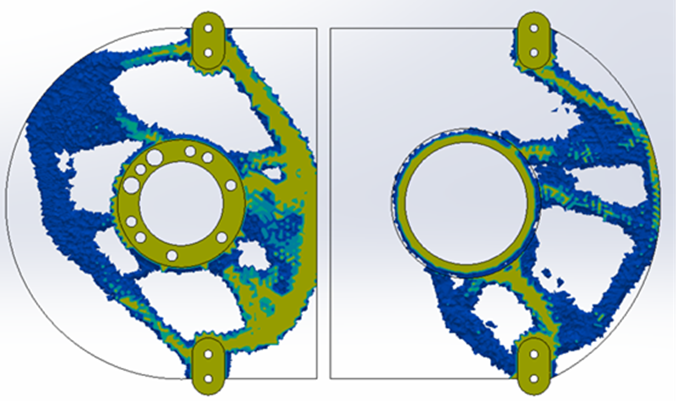
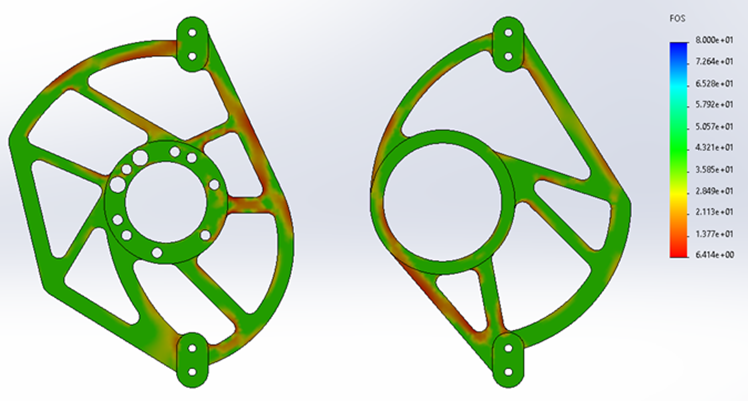
Topology Optimization of Motor Arm